
“AI—A Matter of Trust”
Background to the Nestlé future study “What will Germany eat in 2040?”
People don't fundamentally have a problem with delegating responsibility to AI. However, they want to decide for themselves how far that responsibility extends.
Jasmin Pampuch, Head of Bonsai Shopper Research & Behavior Analytics / Member of the Executive Board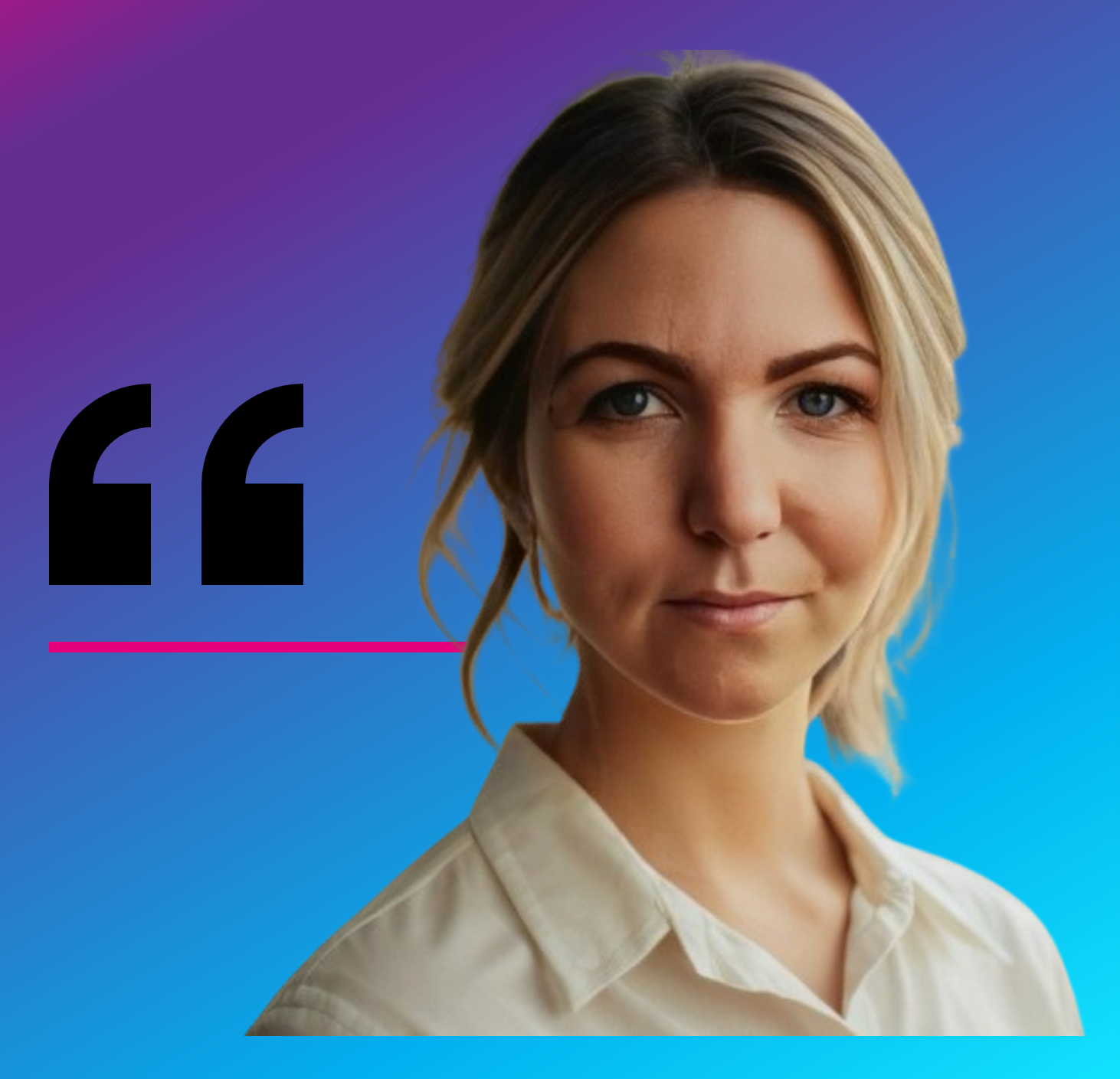
Jasmin Pampuch, Head of Bonsai Shopper & Behavior Analytics
Ironically, those who are driving artificial intelligence forward most rapidly are currently debating whether it's time to slow down. At the heart of the discussion is the concern about increasingly powerful and autonomous systems and the question of how human control can be maintained as AI increasingly acts independently. Behind this seemingly technical debate lies a surprisingly human question: How much control are we willing to relinquish?
We encountered precisely this question in the Nestlé future study "How will Germany eat in 2040?", albeit from a completely different perspective. In our five future scenarios, AI plays very different roles: it inspires, advises, analyzes health data, or takes over tasks for us. One apparent contradiction particularly intrigued us: 46 percent can imagine AI as a personal nutritionist, while at the same time, 40 percent fear a loss of control and being controlled by AI. For us, however, this is less of a contradiction and more of a clear message: people don't fundamentally have a problem with relinquishing responsibility to AI. They simply want to decide for themselves how far that responsibility extends.
"Ultimately, it may be less about how much AI can decide for us, but rather how much we want to let it decide."
We observed this in the reactions to our visions of the future as well. In "Enjoyment & Community," AI assists with shopping and cooking, providing inspiration and guidance, while the final decision remains with the human. And this connection works: In the open-ended responses, self-determination and freedom of choice are highlighted as positively as technology that provides meaningful support. However, as soon as AI intervenes more strongly in personal decisions, the tone changes. Suddenly, the focus shifts to data privacy, constant monitoring, or the feeling of being "scrutinized." The crucial boundary, therefore, doesn't seem to lie between humans and AI, but between support and autonomy. Interestingly, this boundary isn't at the same point for everyone. 33 percent of younger people can imagine an AI agent independently handling shopping, but only 17 percent of older people. Perhaps this isn't just a matter of differing levels of technological affinity. Perhaps our understanding of what control actually means is also changing. After all, those who have grown up with algorithms, recommendations, and digital assistants may not need to make every decision themselves to feel self-determined. Self-determination can also mean: I decide for myself what I give away.
That's precisely why trust is likely to become one of the decisive factors in dealing with AI. This is evident not only in the current discussion about increasingly autonomous systems. Companies are also increasingly grappling with the question of how they can use AI without jeopardizing the trust their customers have built up over years. This was the central topic of discussion at DMEXCO this week: transparency, consistency, and driving innovation without losing control.
For us as researchers, this raises another exciting question. What people say about AI and what role they actually assign to it in everyday life may not be the same. The more natural AI becomes in search, shopping, consulting, or decision-making processes, the more important it becomes to understand where people draw their personal boundaries: When does a recommendation become a decision? When does support become delegation? And when does convenience suddenly feel like a loss of control?
Our futures study offers an initial clue: people apparently distinguish very precisely between these roles. The crucial boundary lies less between humans and AI than between support and self-determination. Technologically, AI will be able to do more and more for us in the future. However, whether people actually use these possibilities will likely depend at least as much on whether they understand what a system does, trust it, and retain the feeling that they can reclaim the decision-making power.
Ultimately, it may therefore be less about how much AI can decide for us, but rather about how much we want to let it decide.